The product line
Seventeen products.Ten worth making.
The same sheet becomes a label, a carton, a notebook or a wall covering. Most of those are bad businesses. This page is only the ones that survive the filter — and what makes each one survive it.
The filter
Five gates. A product has to clear at least three.
Stone paper can physically become almost any paper product. That is exactly why a product list is worthless without a filter — the interesting question is never "can we make it," it is "does making it beat the thing it replaces."
Runs on the Stage 1 line as bought — extrude, cut, convert. No new machine, no new process step.
Volume exists in India today, at a scale a small line can feed without needing a brand to be famous first.
No Indian stone-paper player is serving it — the incumbent is a different material entirely.
Beats the incumbent on substrate cost and on a physical property the buyer already pays for.
Can be run in the compostable-binder variant without redesigning the product or losing the property.
Tier one · build first
Cheaper than the incumbent, and better at the job.
These seven clear four or five gates each. All of them run on the Stage 1 line with no additional equipment, and in every case the property the buyer is already paying extra for — waterproof, tear-proof, wipe-clean — is something stone paper has natively and the incumbent has to add with a coating or a lamination step.
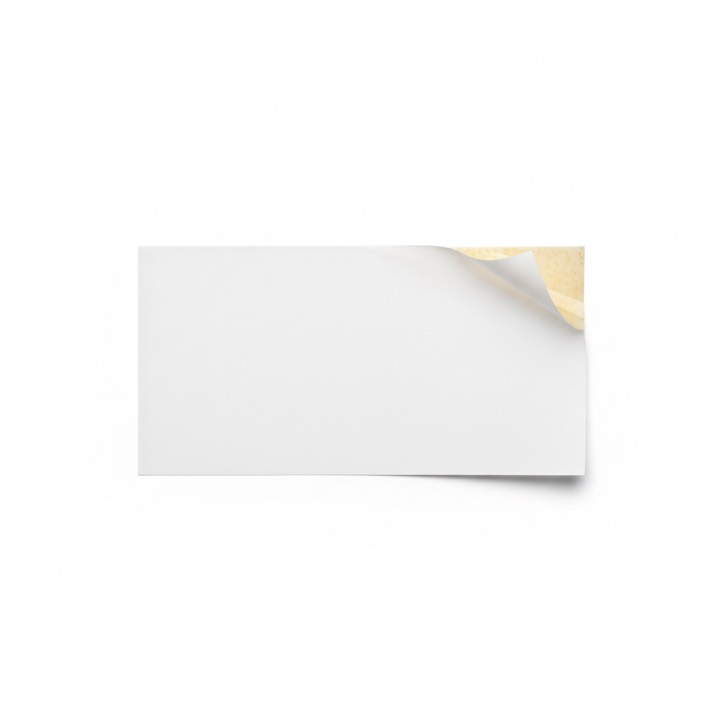
Self-adhesive labels
The incumbent for anything that gets wet or handled is PVC or PP synthetic paper — Cosmo Films, Tirupati and others. That is 100% petroleum. We are the tree-free, marble-waste option with the same waterproof and tear-proof behaviour, at half the substrate cost.
₹0.03 Paper face stock
₹0.06
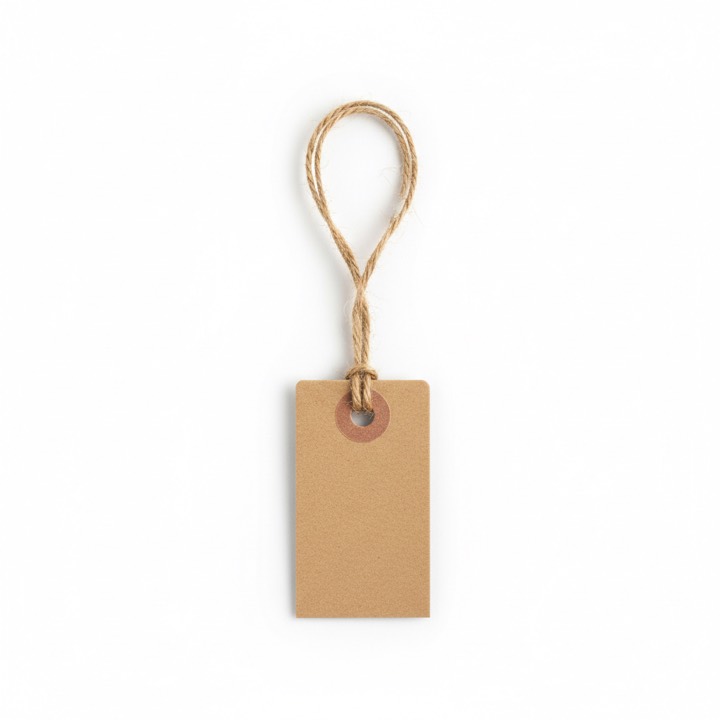
Hang tags
Not a theory — Adidas already uses stone-paper hang tags globally on footwear. The use case is proven, exportable, and India's garment export belt is a buyer base that already ships to brands with ESG packaging mandates.
₹0.02 Kraft card tag
₹0.05
Pharma mono-cartons
Pharma is moving to paperboard for secondary cartons specifically because water-based coatings now hit 95% humidity resistance. They are already paying for moisture resistance. We have it without the coating step — and Rajasthan/Gujarat is the pharma corridor.
₹0.55 Duplex board
₹1.12

Menus & placemats
A restaurant menu is paper plus a plastic lamination — two materials, two process steps, and it still delaminates. We are one material that is already wipe-clean, at less than half the substrate cost before the lamination is even priced in.
₹0.39 Paper + lamination
₹0.81+
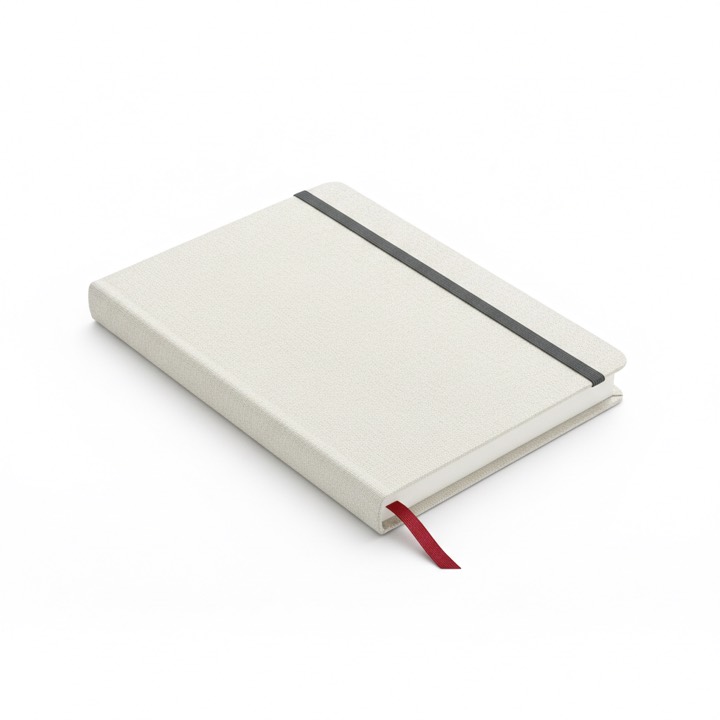
Corporate gifting notebooks
The one segment with proven willingness to pay a 2–5× premium in India today. A company buying 500 diaries for a CSR handout is not price-shopping against a ₹40 Classmate — it is buying a sustainability story it can put a logo on.
₹236–498 Conventional
₹40–150

Folding cartons
Native 0.1–0.4mm gauge lands exactly on folding-box-board thickness — a drop-in substrate swap, no redesign at the converter's end. Same moisture-resistance argument as pharma, against a much larger volume base.
₹0.50 FBB / SBS board
₹1.04

Premium carry bags
The real incumbent is not paper, it is paper plus a BOPP lamination — two materials, an extra process step, and a composite nothing in India separates. We are one material with the same wipe-clean hand, and handle tear-out is the failure mode of every premium bag.
₹4.23 Art paper + lamination
₹5.33
Tier two · the white space
Where the incumbent is plastic and nobody has shown up with this yet.
These are not cheaper-per-unit plays. They are categories where the thing being replaced is 100% petroleum plastic, the buyer is choosing on performance rather than price, and no Indian stone-paper supplier is currently in the room.
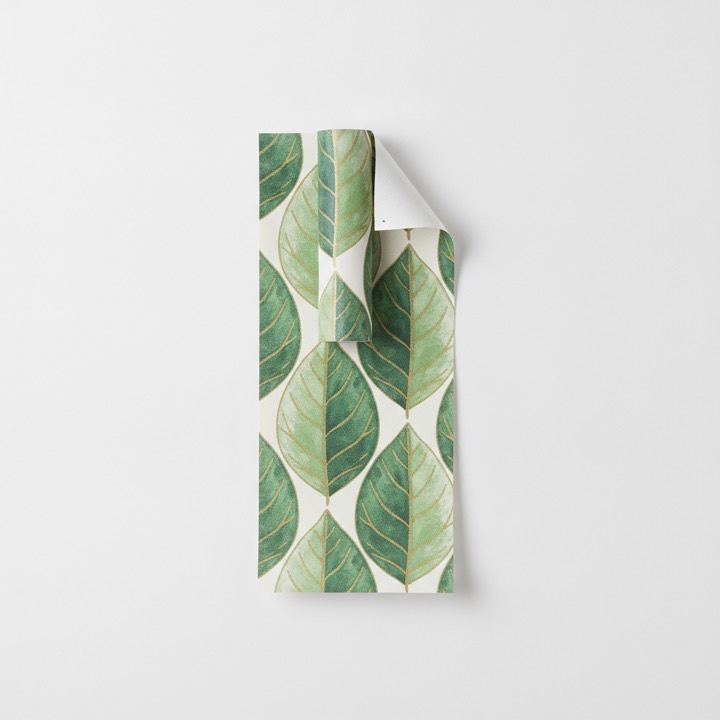
Peel-and-stick wallpaper
Indian wallpaper fails in exactly one predictable way: mould and peeling in humid rooms — bathrooms, kitchens, monsoon walls. We are natively waterproof. And peel-and-stick sidesteps the one real technical problem, since our dense sheet won't take wet paste.
≈₹8.40/m² Retail category sells at
₹570–1,320/m²
Outdoor signage panels
Election boards, site hoardings, retail signage — currently corrugated plastic or vinyl, both pure petroleum, both landfill. Waterproof and UV-exposed is our home turf, and the plastic-alternative angle is real here rather than cosmetic.
≈₹10.58 Correx / vinyl
Quote pending

Waterproof mailers
A paper mailer normally needs a poly lining to survive rain. We don't — one material, no lining, still waterproof. Aimed at premium D2C brands who treat the unboxing as marketing spend, not at marketplace volume where poly wins on price and always will.
₹0.20 Kraft + poly line
₹0.40+
Cheaper and better
Substrate cost, per unit, against what it replaces.
Production cost of the raw substrate only — what the material in the product costs us to make, against what the incumbent material costs to make. Conversion, printing and margin sit on top of both sides equally and are excluded. In every product on this page that clears the "cheaper" gate, we are at roughly half.
One correction worth making before anyone quotes these back at us: this holds at production cost, in products specified by weight — cartons, labels, mailers. It reverses for loose sheet paper, where the honest comparison is at matched stiffness rather than matched weight, and our sheet is roughly 2.2–2.8× denser. That is why loose A4 copier paper is on the not-building list, not on this page.
Two binder variants
The same line runs a compostable version.
The 18% binder is the entire end-of-life problem, and it is also the one input we can swap without touching the machine. PBAT — polybutylene adipate-terephthalate — is compostable-certified, sold in film grade in Jaipur today, and runs on the same twin-screw line after a screw-temperature re-tune. It costs about 12–15% more on the binder line, not 130% more.
- Commodity resin, deep domestic stock, no supply risk
- Best stiffness and moisture barrier — the crisp, paper-like hand-feel is this
- Not biodegradable. UV-photodegrades over 14–18 months into calcium carbonate plus microplastic fragments
- Right for: signage, mailers, industrial labels, anything durable-by-design where end-of-life is years away
- IS 17088 / EN 13432 / OK Compost certified — India's own standard, not just an EU mark
- Film-grade supply exists in Jaipur, local to the plant, plus deeper Gujarat supply
- Honest caveat: certified for industrial composting — ~58°C, controlled microbes. It is not "degrades anywhere"
- Softer than HDPE, closer to LDPE — needs a trial batch to confirm the hand-feel at our filler loading
- Right for: gifting notebooks, hang tags, food-adjacent packaging — anywhere the buyer's ESG team reads the spec sheet
| Product | HDPE variant | PBAT variant | Which one we lead with |
|---|---|---|---|
| Gifting notebooksCorporate / CSR buyers | Works | Works | PBAT — the buyer is purchasing the sustainability claim, so the claim has to survive scrutiny |
| Hang tagsGarment & footwear export | Works | Works | PBAT — export brands are the ones with hard compostability targets |
| Pharma & folding cartonsSecondary packaging | Works | Needs trial | HDPE first — moisture barrier is the whole sale here, and it is the stronger of the two |
| Self-adhesive labelsvs. PVC/PP synthetic paper | Works | Needs trial | HDPE — but PBAT is the version that fully retires the plastic argument |
| Outdoor signageUV-exposed, multi-season | Works | Wrong fit | HDPE only — a compostable binder outdoors is a defect, not a feature |
| Waterproof mailersPremium D2C | Works | Works | PBAT — single-use by definition, so end-of-life is the whole question |
| Peel-and-stick wallpaperInterior wall covering | Works | Wrong fit | HDPE only — a wall covering that composts is a wall covering that fails |
"Needs trial" means exactly that: the material is compatible with the line, but the moisture-barrier and stiffness numbers at our filler loading are unproven until a compounding batch is run. We are not going to claim them before we have run one.
For completeness
The seven we are not building.
A product list that only contains winners is a marketing document. These failed the filter for specific, checkable reasons — and knowing why is what stops us wandering into them later.
Ruled out, and why
Every number on this page is derived from published formulation ratios and current Rajasthan input pricing, not from a vendor quotation or our own production run — there isn't one yet. They are planning references to check real quotes against. The full working, including the arithmetic behind each per-unit figure and the sources under it, is in the product catalog inside the brief.